Build A Company That Earns More, Runs With More Control, And Depends Less On You.
Watch the short video to see why growing companies become harder to understand from the top, and how this engagement replaces assumption with evidence before the wrong problem receives more money.
In this engagement, we will:
- Reconstruct how the company actually operates.
- Compare what leadership believes is happening with what the people, work, systems, and numbers show.
- Identify the few changes most likely to improve performance, control, and long-term company quality.
Understand what is actually limiting the company before spending more on advertising, hiring, software, training, or expansion, so leadership can grow with fewer expensive assumptions.
YES, SHOW ME THIS ENGAGEMENTMost Recent Case Study: Measurable Outcomes
Verified outcomes are presented against the agreed comparison period and supplied business records.
How Does Your Business Improve After This Engagement?
Revenue Quality
Create More Of The Revenue The Company Actually Wants
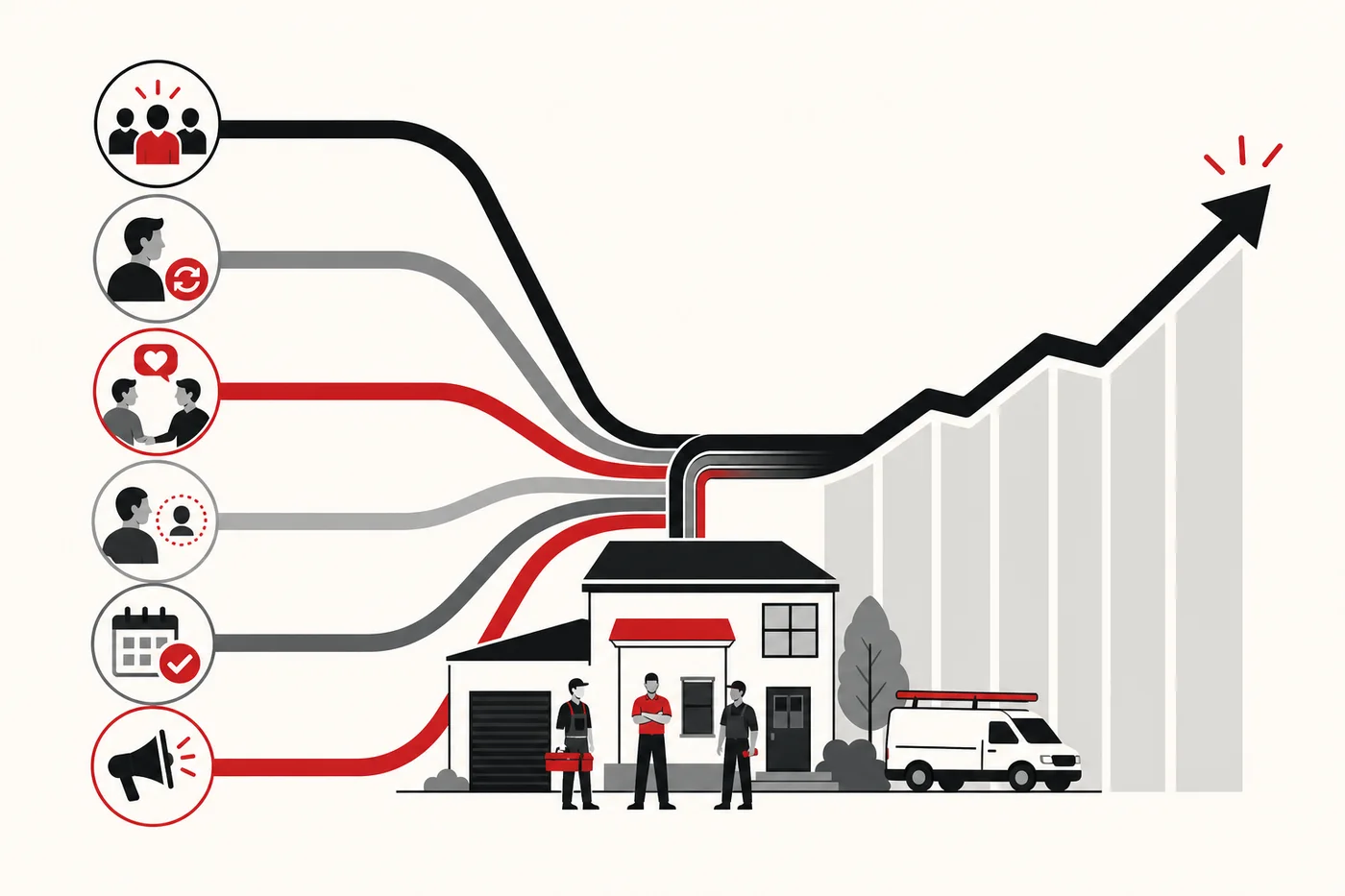
Increase the share of earnings created through profitable customers, stronger offers, repeat purchases, referrals, customer reactivation, recurring relationships, owned demand, and acquisition that returns cash at a sustainable rate.
- Higher customer lifetime gross profit
- More repeat and referral revenue
- Less dependence on one acquisition channel
- Better service and customer mix
- Shorter acquisition payback
- More predictable demand
Execution Quality
Turn Leadership Decisions Into Consistent Action
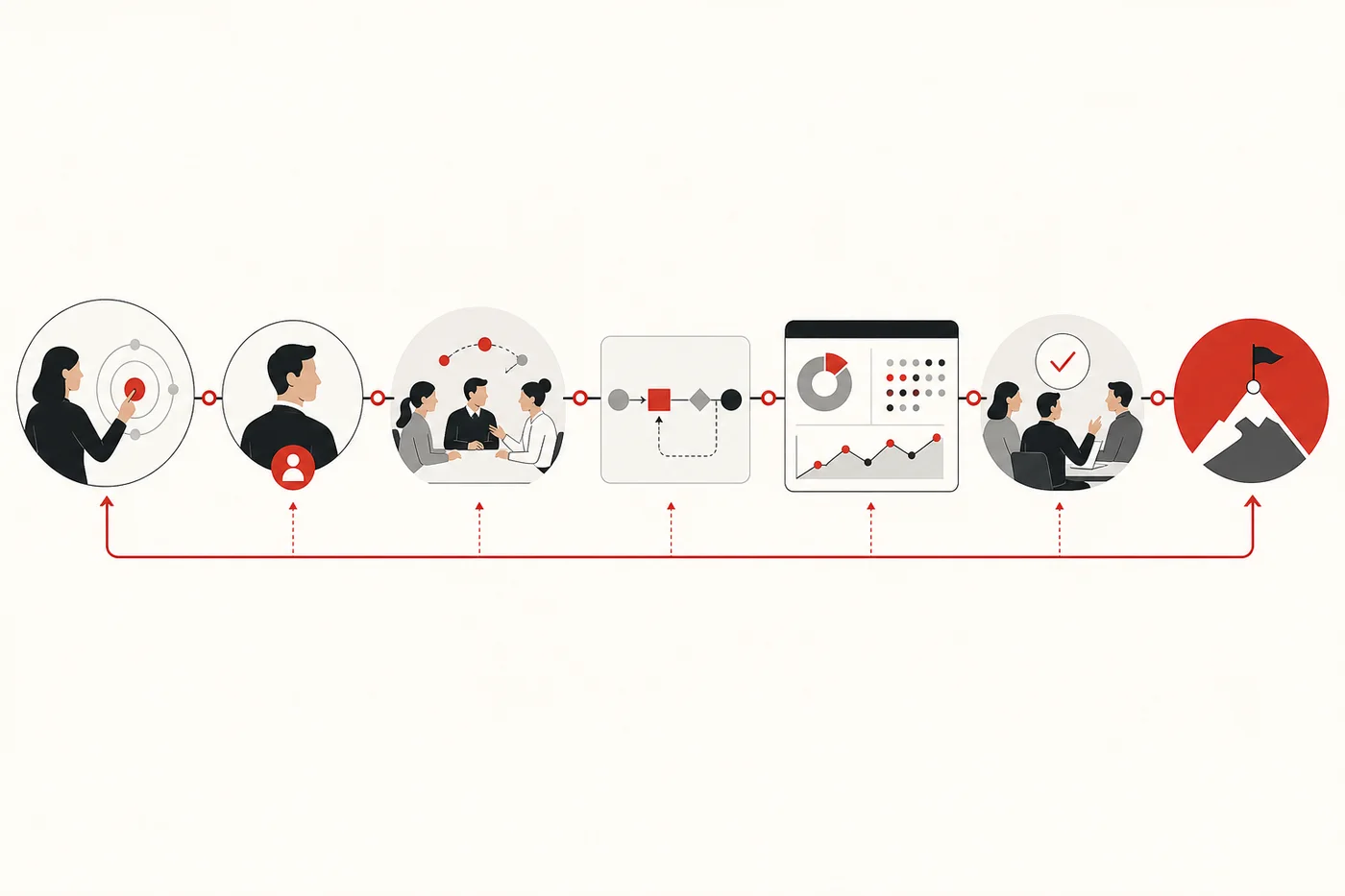
Translate leadership expectations into observable behavior, clear ownership, scripts, scorecards, onboarding, coaching, handoffs, and management rhythms that can be repeated across the team.
- Faster implementation
- Clearer ownership
- More consistent employee behavior
- Better management visibility
- Stronger training and onboarding
- Fewer dropped handoffs
- Less reliance on verbal reminders
Enterprise Quality
Build A Company That Is More Predictable, Transferable, And Less Dependent On A Few People
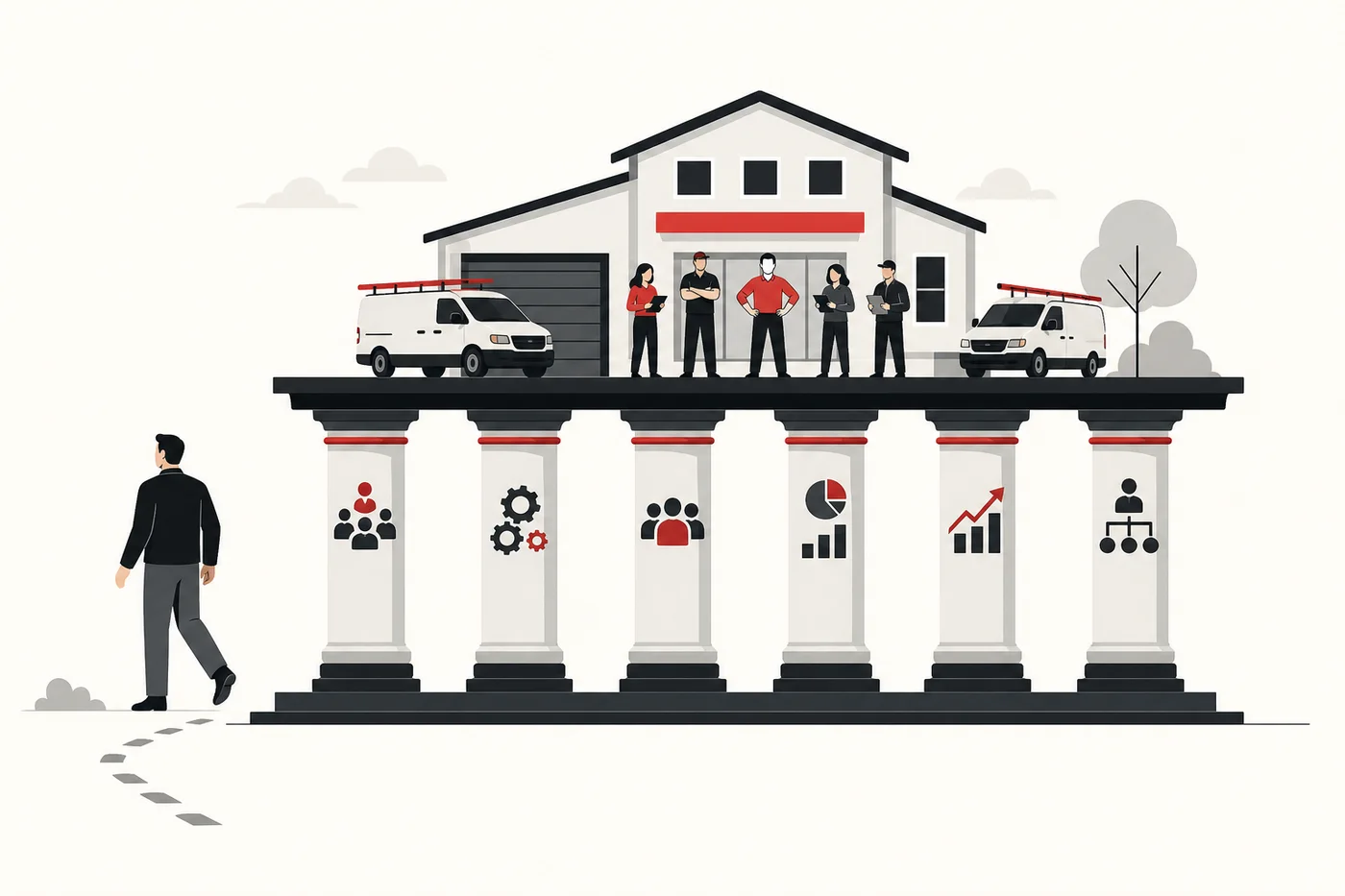
Reduce owner dependence, key-person risk, customer and channel concentration, weak documentation, and unreliable reporting while improving management depth, continuity, and transferability.
- Lower owner dependence
- Reduced key-person risk
- Better management depth
- Stronger documentation
- More reliable reporting
- More predictable earnings
- Greater readiness for growth or transfer
A focused first conversation
See Whether The Engagement Fits Your Company
Schedule a twenty-minute working session to discuss the decision, constraint, or investment currently in front of the company. We will compare what leadership currently believes with the evidence available and determine whether this engagement is the responsible next step.
Schedule A 20-Minute Working SessionTwenty minutes. No commitment. If the engagement does not fit, neither side has to force the conversation further.
One Month Inside The Business
The engagement begins by reconstructing how the company actually operates. The remaining work is selected from the evidence, then built inside the business with clear ownership, leadership visibility, and a defined handoff.
30-Day Engagement Map
Evidence > Action > Handoff
Week 1: Reconstruct The Company
Leadership and employee interviews, financial and CRM analysis, customer-journey tracing, sales and operating observation, customer-data review, acquisition economics, owner-dependence analysis, and enterprise-risk assessment.
Weeks 2-3: Build And Implement The Priorities
Up to three workstreams are selected according to financial impact, strategic importance, confidence, cash requirements, management capacity, dependencies, and time to value.
Week 4: Install Visibility And Transfer Ownership
Leadership dashboards, scorecards, management cadence, named owners, deadlines, training, documentation, ninety-day execution plan, twelve-month sequence, and executive handoff.
The company should leave the engagement stronger, not more dependent on the consultant.
What The Engagement May Work On
These are possible workstreams, not a predetermined package. The first week determines which ones deserve implementation.
Revenue And Offer Economics
Customer mix, pricing, service mix, gross margin, acquisition cost, lifetime gross profit, payback, early cash, repeat demand, and recurring relationships.
Sales And Management
Qualification, discovery, presentations, proposals, follow-up, coaching, representative and manager scorecards, onboarding, and forecast accuracy.
Customer Value And Owned Demand
Reactivation, referrals, reviews, repeat purchases, maintenance, adjacent offers, customer education, branded demand, and database quality.
Operations And Customer Experience
Handoffs, scheduling, capacity, communication, quality control, rework, job economics, service recovery, and collection.
Technology And Information
CRM use, reporting, data quality, duplicate work, adoption, integrations, automation, and software requirements.
Enterprise Risk And Transferability
Owner dependence, key-person risk, customer and channel concentration, management depth, documentation, continuity, and reporting.
The objective is to complete meaningful work on the few projects that matter most, not begin every attractive project.
Apply For The EngagementPractical transfer, not shelfware
What Leadership Leaves With
A Working Enterprise Model
A current-state view of earnings quality, revenue quality, customer value, risk, transferability, acquisition economics, owner dependence, and the conditions affecting company quality.
Operating Systems Built Inside The Company
The actual systems depend on the findings and may include scripts, scorecards, coaching standards, management rhythms, handoffs, customer campaigns, onboarding, dashboards, or technology requirements.
A Clear Order Of Operations
A prioritized opportunity register, named owners, deadlines, metrics, dependencies, stop conditions, ninety-day execution plan, and twelve-month sequencing view.
Make The Next Decision From What The Business Is Actually Showing
Schedule a twenty-minute working session to discuss the company's current constraint, the evidence leadership has, and whether the engagement fits.
Schedule A Working SessionFrequently Asked Questions
The Enterprise Value Acceleration Engagement is a one-month operating engagement. The first week reconstructs the business and identifies the highest-confidence constraints and opportunities. The remaining three weeks focus on implementing a limited number of priorities, installing leadership visibility, assigning ownership, and transferring the work back to the company.
No. Enterprise value is used as a management lens for examining earnings quality, predictability, owner dependence, concentration, risk, management depth, and transferability. The working model is not a certified valuation or a prediction of what a buyer will pay.
Normally no more than three active workstreams. They are selected after the first week according to evidence, financial impact, strategic importance, confidence, dependencies, cash requirements, management capacity, and time to value.
The agreed records, relevant system access, leadership and employee interviews, a primary contact, leadership participation, and reasonable access to the work being examined.
No. The month stands on its own. The company may continue internally, hire a specialist for a defined project, or consider a separately scoped continuation when the work genuinely requires it.
Scope and fee are established after the working session. Pricing depends on company size, locations, business units, travel, interview count, data complexity, implementation requirements, and specialist involvement.
Who This Is For And Who It Is Not For
Who This Is For
- Owner-led home-service and home-improvement companies
- More than $2 million in annual revenue
- More than 10 employees
- Established operating and service history
- Real handoffs between sales, management, office, and delivery
- A consequential constraint, decision, or investment
- Leadership willing to provide records and employee access
- Enough management capacity to implement change
Who This Is Not For
- Very early businesses still proving their initial offer
- Companies unwilling to share financial or operating information
- Owners unwilling to permit employee interviews
- Leadership seeking validation for a decision already made
- Companies expecting guaranteed revenue or valuation outcomes
- Businesses without the authority or capacity to implement findings
- Owners seeking motivational coaching rather than operating work
20-Minute Enterprise Value Working Session
Schedule The Working Session
Twenty minutes to discuss the decision or constraint in front of the company, the evidence leadership currently has, and whether the engagement is appropriate.
Intake — 30 Seconds
20-Minute Enterprise Value Working Session
Four quick details and we'll be in touch to confirm a time. Your request is sent securely without leaving this page.
Request received
Thank you — your request has been sent to Saint-Hylton Coombs. You’ll receive a reply at the email address you provided, usually within one business day.
Send it directly instead
The automatic send didn’t go through. Please send your details by email to saint@shcmarketing.info.
Confidential. No commitment required. If the scope does not fit, neither side has to force the conversation further.